Fontes

FONTES webinar explores how sport can turn participation into belonging

“Sport, Faith and Belonging” brought research, lived experience and practical approaches together to examine what meaningful social inclusion through sport requires.

The FONTES project hosted its online webinar “Sport, Faith and Belonging” on 5 October 2026, bringing together experts, practitioners, project partners and community organisations to discuss how sport can contribute to social integration in multicultural and multi-faith settings.

The event opened with the presentation of the FONTES research findings, which mapped practices and experiences at the intersection of sport, integration and community work. The discussion highlighted recurring challenges, including the lack of institutionalised methodologies, limited training for coaches and volunteers, short-term funding, gender and intersectional barriers, weak impact measurement and the need for stronger multilingual and digital resources.

Across the webinar, a consistent message emerged: sport does not create inclusion automatically. Access is only the starting point. Meaningful inclusion depends on relationship-building, continuity, adaptation to local realities and intentional work by coaches, volunteers and organisations.

The first panel focused on inclusion in practice. Dimitra Lygoura, representing Olympiacos SFP, stressed the importance of looking beyond whether an activity is formally open to everyone and asking whether people can actually participate, feel respected and want to return. Ignacio Taló Valls shared experiences from Brafa on how free football activities can restore confidence, dignity and a sense of family, while Younis Jamal highlighted the importance of genuine youth participation and co-design.

The second panel explored the role of community and faith-based networks. Leonardo Aresi described parish sport spaces as a form of social infrastructure that can offer newcomers a place to belong before they are fully integrated. Luigi Aruta highlighted the trust, spaces and volunteer networks that faith-based organisations can mobilise, while emphasising that participation must remain open to everyone. Javier Almagro shared practical experience from work with the Burmese migrant community on the Thai-Myanmar border, including approaches designed to reduce barriers to women’s participation in sport.

The webinar brought together perspectives connected to the FONTES partnership across Belgium, Portugal, Italy, Greece, Spain and Germany, while also drawing on wider international experience. These contributions will inform the next phase of the project, including the development of training resources, testing activities and future multicultural sport events.

FONTES will continue to translate research and dialogue into practical tools for coaches, volunteers and organisations seeking to use sport as a pathway to inclusion, trust and stronger community connections.

“Belonging goes beyond being invited to participate. It is built through trust, continuity and the experience of being welcomed back.”

About FONTES

FONTES – FOstering New TEchniques for Social integration through Sport is an Erasmus+ Sport Cooperation Partnership. The 30-month project brings together seven partners from Belgium, Portugal, Italy, Greece, Spain and Germany and explores how sport, grassroots organisations and faith-based networks can contribute to social integration, intercultural dialogue and a stronger sense of belonging.

  • Hits: 10

FONTES: 29 Good Practices from 9 European Countries for Social Inclusion Through Sport

The European project FONTES presents the Research Report on Good Practices entitled "Sport, Faith and Belonging: Social Integration through Sport in Multicultural and Multi-Faith Europe", which examines the connection between sport, faith, diversity, and social inclusion in modern Europe.

The report gathers 29 good practices from 9 countries, capturing the experiences and perspectives of people who are active on the ground daily: coaches, faith-based organizations, volunteers, young people, and workers in reception facilities.

The objective of the research is to highlight what happens in practice in sports clubs, social organizations, and local communities, and to explore the conditions under which sport can effectively function as a vehicle for social inclusion.

Key Findings

The research highlights that sport alone does not automatically lead to social inclusion; rather, it requires proper design, qualified personnel with the necessary knowledge and skills, and collaboration among sports, social, and institutional entities.

At the same time, the report underlines the significant role played by faith-based organizations in implementing field actions, as well as the need to create programs that genuinely take into account the participation conditions for women and girls.

Special emphasis is also placed on the importance of knowing and understanding diverse religious and cultural needs as a vital, yet currently underutilized, skill for those working in the fields of sports and social inclusion.

A European Collaboration

FONTES is implemented through a partnership among organizations from various European countries, bringing together sports, civil society, research, and local community organizations.

Olympiacos is also participating in the project, contributing to the implementation and dissemination of its actions and outcomes, as well as highlighting sports as a space for cooperation, participation, and social inclusion.

The partners of the FONTES project are:

  • European Multisport Club Association (EMCA) – Belgium

  • International Centre for Sport Security Europe Associação (ICSS Europe) – Portugal

  • Arcidiocesi di Napoli – Italy

  • Olympiacos Syndesmos Filathlon Pireos (OLYMPIACOS) – Greece

  • Fundació Brafa – Spain

  • Internationaler Sportclub (ISC) AlHilal Bonn e.V. – Germany

  • Club Deportivo Elemental Dragones de Lavapiés – Spain

Presentation of Results in an Online Webinar

As part of presenting and disseminating the research findings, FONTES will host an online webinar on Monday, October 5, 2026, from 18:00 to 20:00.

During this online session, stakeholders and representatives from diverse sectors will have the opportunity to discover the research findings and engage in discussion around the practical and institutional dimensions of social inclusion through sport.

The program will feature two panel discussions:

  1. First Panel: Focuses on the experiences of individuals and organizations active in the field and how social inclusion is achieved in practice.

  2. Second Panel: Examines the role of institutions, policymakers, research, and funding in the next steps forward.

The webinar will be conducted in English with live captioning.

  • Date: Monday, October 5, 2026

  • Time: 18:00–20:00

  • Format: Online

  • Language: English, with live captioning

  • Hits: 110

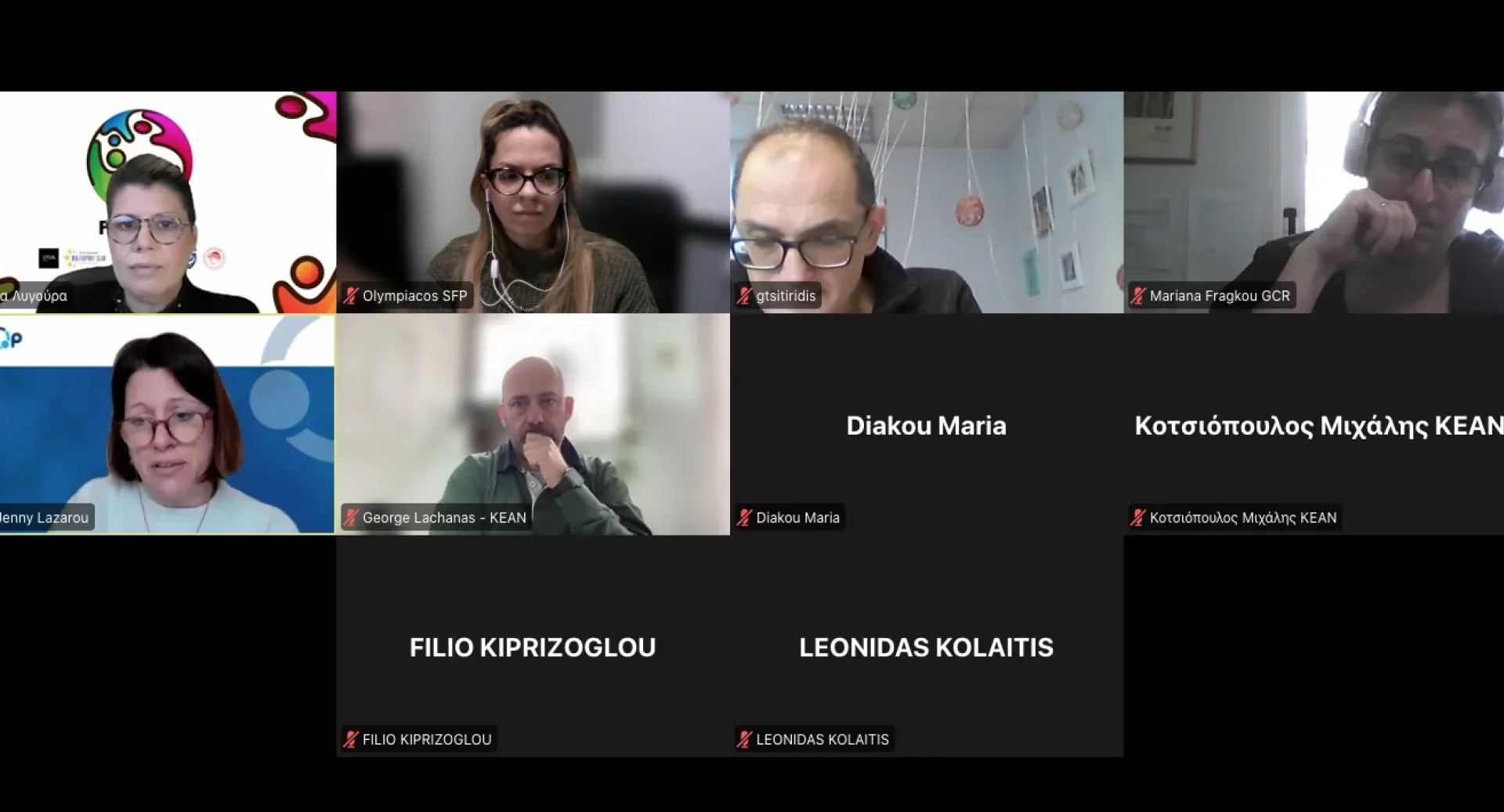
Olympiacos successfully implemented consultation activities within the framework of the European project FONTES

Olympiacos, within the framework of its participation in the European project FONTES (Fostering New Techniques for Social Integration through Sport), successfully organised two online consultation activities: an expert interview and a focus group, aiming to collect data and highlight good practices regarding the use of sport as a tool for social inclusion.

The interview was conducted with the Commander of the Controlled Accommodation Facility for Asylum Seekers, Mr. Thomas Papakonstantinou, who has extensive experience in designing and implementing social inclusion initiatives for children and young people with refugee and migrant backgrounds. The discussion highlighted the role of sport as an effective mechanism for developing social skills, enhancing school participation, and promoting psychosocial empowerment.

Subsequently, an online focus group was held with the participation of representatives from public organisations, such as the Ministry of Migration and Asylum, and civil society organisations, including SolidarityNow, KMOP and the Greek Council for Refugees. The participants are active in fields such as refugee and migrant support, youth inclusion, education and community development, and have practical experience in implementing sports and educational inclusion activities, with a particular focus on Roma children and adolescents, as well as those with refugee and migrant backgrounds.

Participants highlighted the importance of sport as a “universal language” that facilitates the inclusion of children and young people, especially those who are not engaged in other educational or social activities. At the same time, key challenges were identified, including the lack of sustainable funding, bureaucratic barriers, and limited access to equipment and appropriate infrastructure.

Particular emphasis was also placed on the need to strengthen cooperation among stakeholders, develop educational tools, and create digital platforms for the dissemination of knowledge and good practices at European level.

The consultation activities were designed and implemented by the Olympiacos team, and the discussion was coordinated by Ms Dimitra Lygoura, former Secretary General for Reception of Asylum Seekers and former Secretary General for Anti-Crime Policy, within the framework of the club’s responsibilities in the FONTES project.

The findings from both activities are expected to contribute substantially to the next phase of the FONTES project, which involves the development of a training programme and specialised tools aimed at enhancing the skills of coaches, professionals and volunteers in the field of social inclusion through sport.

The FONTES project is implemented under the Erasmus+ Sport Programme and is co-funded by the European Union, aiming to promote innovative approaches that use sport as a means of social cohesion and inclusion of vulnerable groups.

  • Hits: 460

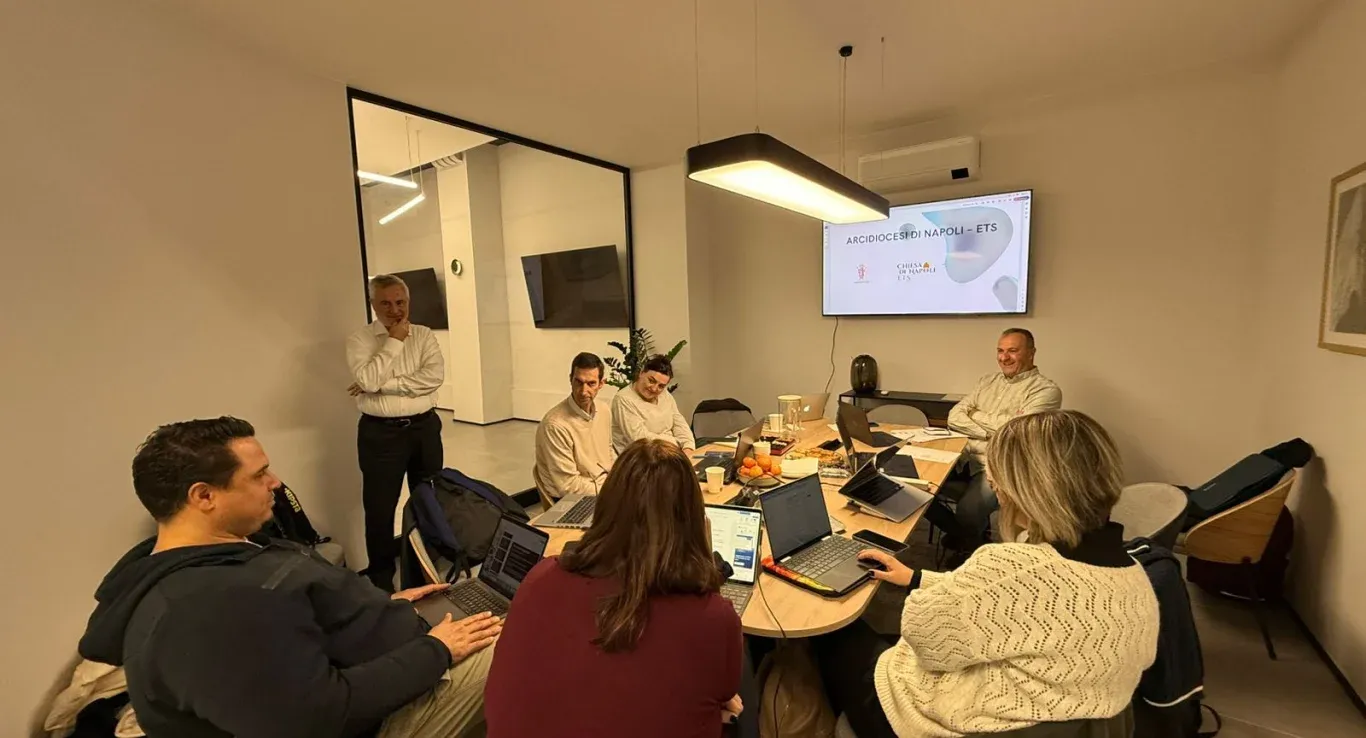
The 2nd day of the coordination meeting of the FONTES programme.

Olympiacos S.F.P., as part of its participation in the European programme FONTES, took part in the second day of the coordination meeting, during which the next actions for organising multicultural sports events were discussed, with the aim of promoting social inclusion and the participation of young people with different opportunities.

The Olympiacos team, in close cooperation with the other project partners, is exploring the organisation of events in iconic locations across Naples, with an emphasis on inclusivity and creating an experience for everyone.

  • Hits: 331

The First Day of the FONTES Programme Kick-off Meeting Concludes Successfully

The first day of the kick-off meeting for the European programme FONTES was successfully completed, with the participation and collaboration of six key partners from the fields of sport and social inclusion.

The core aim of the FONTES programme is to promote social and cultural inclusion through sport, with a strong emphasis on engaging young people with fewer opportunities and empowering local communities. Through innovative actions, multicultural sports events, and educational tools, the programme seeks to disseminate good practices and remove barriers faced by vulnerable social groups.

During the meeting, the partners exchanged views, developed strategies, and laid the foundations for a creative collaboration focused on promoting social inclusion through sport.

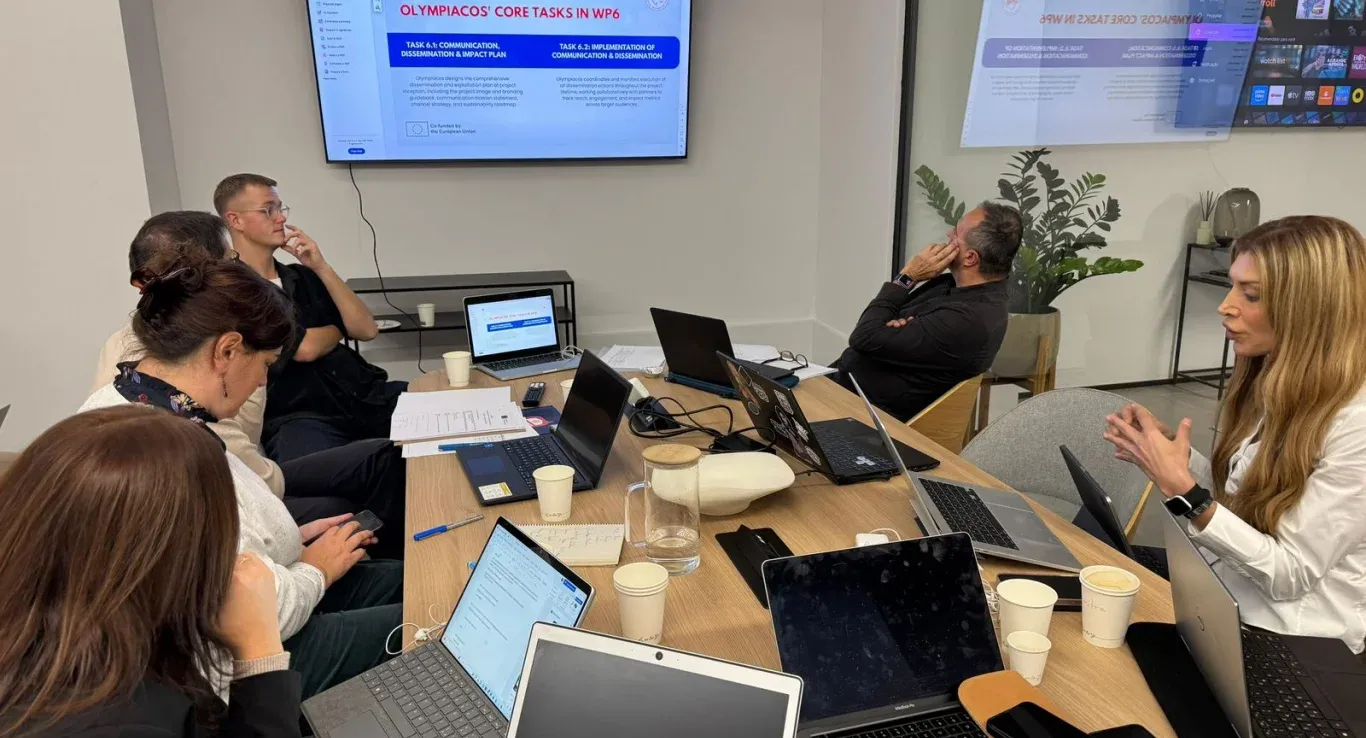
A highlight of the day was Olympiacos’ presentation of the innovative “SIM = plan”, which will form the basis of the project’s communication and dissemination strategy over the coming months, as Olympiacos is the leader of the Communication & Dissemination Work Package (WP6).

Later in the evening, the official dinner with all partners further strengthened the spirit of cooperation and mutual understanding.

The six partners of the FONTES programme are:

  • EMCA

  • ICSS

  • Olympiacos SFP

  • BRAPA

  • Archdiocese of Naples

  • Ramon

This collaboration serves as a strong foundation for the success of the programme and the achievement of its goals toward a more inclusive society through sport.

  • Hits: 327